According to the film, The Ghosts of Abu Ghraib, the "hard site" at the Abu Ghraib prison facility in Iraq was where high security prisoners were kept. These men were "American killers" who had belonged to al-Qaeda, the Taliban, Saddam's guard, or were just terrorists in general. Tier 1B housed women and children prisoners who were kept in an attempt to get their "wanted" family members to turn themselves in. There was sometimes less than ten guards for 1,000 prisoners at the "hard site."
Most of the prisoners taken to Abu Ghraib were not guilty of anything other than being in the wrong place at the wrong time. Between 75 and 80% of the prisoners interrogated did not have any intelligence to provide but were imprisoned sometimes for months on end.
Monday, November 14, 2011
Friday, November 11, 2011
Abu Ghraib - The Location, Atmosphere, and Situation at Abu Ghraib by September 2003
The 372nd Military Police (MP) Company arrived at Abu Ghraib in the summer of 2003. They had been trained to support combat operations but were left to become prison guards. The heat index was reaching 130 degrees at the time and the putrid smell of sweat, trash, feces, and urine filled the air. The prison was shelled and shot at every day and the road outside the facility was the deadliest in the world. Abu Ghraib had been used by Saddam to torture and kill thousands of Iraqis in years past and the troops felt like a cloud of death shrouded the facility.
By the end of September, Abu Ghraib's prison population had swelled to over 6,000 inmates with a total of just 380 guards. Brigadier General Janis Karpinski pleaded for resources and assistance for Abu Ghraib and other prison facilities but none came. The only plan for relief was to retrain the Iraqis to take control of guarding the prisons in 90 days which was unrealistic and impossible to hope for.
Thursday, November 10, 2011
American Techniques of War and Iraqi Civilians
Based upon an excerpt from the the film The Ghosts of Abu Ghraib, it appears the United States military used little discretion in their rounding up of enemy combatants. US troops would burst into houses startling the Iraqi families, breaking and stealing. They would then tie up the men and set them out on the curb. This treatment humiliated the Iraqis, many who were not guilty of any crime.
Ahead of the troops, enemy takes were still burning and bullet holes were everywhere. Troops were told to shoot if it looks like the enemy, although most US troops had never experienced combat before and thought all Iraqis looked like the enemy.
The Justice Department and the UN Convention Against Torture
John Yoo of The Justice Department, at the time working under Alberto Gonzales, set out to interpret the wording of the UN Convention Against Torture in order to find out how far the United States could go when interrogating captured enemy combatants. He concluded in a memo in August of 2002, that physical pain amounting to torture must be equivalent to organ failure, impairment of bodily function, or even death, paving the wave for brutal interrogations. He believed that this was an acceptable explanation since the original wording of the Conventions had been vague.
Critics of the Yoo memo claim that he limited the definition of torture so narrowly that almost anything was legal as long as the combatant was not killed or did not receive severe bodily injury. They likened his conclusion to allowing the same type of treatment that Saddam Hussein had previously done in his prisons. One critic could not fathom that Yoo's memo was actually US policy when he felt it should have been discarded as the mad writings of a lowly lawyer.
| John Yoo |
The Geneva Conventions and the War on Terror
The Geneva Conventions were signed by the United States in 1949 and establish standards in the treatment for prisoners of war, civilian, and military when armed conflict occurs between two signatory nations. They entitle the captives to being treated with dignity and prohibit torture and degrading treatment. The Geneva Conventions are important to Americans because the US has always maintained the highest standard of treatment for its captives and expected the same treatment for its soldiers, although US soldiers have rarely received civilized treatment when captured.
| Captured Taliban Fighters |
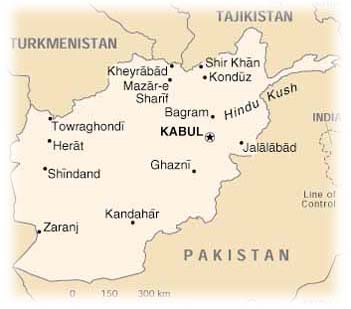
| Afghanistan |
The Geneva Conventions became an issue in the War on Terror when the US military needed to know how to treat its prisoners of war. Al-Qaeda and Taliban fighters were not signatories of the Geneva Conventions, or any other civilized agreements, and the US felt it vital to be able to interrogate these captives in an effort to gain intelligence. The Department of Justice Legal Council John Yoo argued for the Bush Administration that the Geneva Conventions did not apply to al-Qaeda and the Taliban fighters because they did not sign the Conventions or did not accept and follow the rules of warfare. President Bush decided in early 2002 that the Geneva Conventions did not apply to the unlawful combatants captured on the battlefields of Afghanistan.
The Context of the Abu Ghraib Prison Abuse Scandal
The summer and fall of 2003 saw the insurgency across the Sunni Triangle against the United States gain strength. L. Paul Bremer had dissolved the Iraqi military leaving its troops out of work. These men were trained in weaponry and many were angry at the US. Attacks against coalition forces increased as improvised explosive devices (IED's) became more sophisticated and a common tool used against the troops. The Jordanian Embassy was attacked with a car bomb in early August followed by a truck bomb at the United Nations building a few days later. Police stations and even the Red Cross were targeted in the attacks.
The US troops responded harshly against the insurgents as well as the Iraqi population. The US would launch dragnet operations, usually in the dead of night, looking for suspected insurgents. Thousands of Iraqis were gathered and imprisoned, although most were not actually charged or guilty of any offenses. Sometimes coalition forces would take family members of the person they were searching for and leave word for the wanted person to turn themselves in. These raiding missions only served to anger the Iraqi population and strengthen the insurgency.
Subscribe to:
Posts (Atom)